
Santa Fe neighborhoods, and living here.
A guide to Santa Fe neighborhoods from people who grew up in them. Four hundred years old, seven thousand feet up, and about ninety thousand people: here is what living here is like.
The oldest capital in the country.
Santa Fe was founded in 1610 as the capital of Nuevo México, on ground that Pueblo people had farmed for centuries before. The Plaza has been the center of town ever since, through the Pueblo Revolt of 1680, the Santa Fe Trail traders of the 1820s, the railroad that bypassed the city in 1880 and so, by accident, preserved it, and the artists and writers who arrived in the 1920s and decided the light was worth staying for.
In 1957 the city passed an ordinance requiring new construction downtown to follow the Pueblo and Territorial styles. The result is a city that looks like nowhere else in the United States: earth-colored, low, and shaped by hand. Today Santa Fe is a town of about ninety thousand people, a UNESCO Creative City, and a place where a thousand-year-old pueblo, a nineteenth-century cathedral, and a contemporary art space can share a single afternoon.
What life here is like.
Architecture
Adobe and Pueblo Revival, Territorial brick coping, Northern New Mexico pitched tin roofs, and the contemporary work that reinterprets them all. The city’s 1957 historic styles ordinance protects the look; the light does the rest.
Arts and culture
The Opera, Indian Market, Spanish Market, Canyon Road, the Railyard, Meow Wolf, and more museums per capita than almost anywhere in the country. The season never really ends.
Food
Red or green is a serious question. From the Shed to Sazón, Santa Fe eats better than a city its size has any right to, and the Farmers Market is one of the best in the West.
Outdoors
Ski Santa Fe is forty minutes from the Plaza. The Dale Ball trails begin in the city. Bandelier, the Pecos, the Caldera, and the Rio Grande gorge are day trips.
Second-home life
Thousands of owners split their year between Santa Fe and somewhere else. The town is built for it: lock-and-leave condos, concierge services, and a calendar worth coming back for.
Climate and altitude
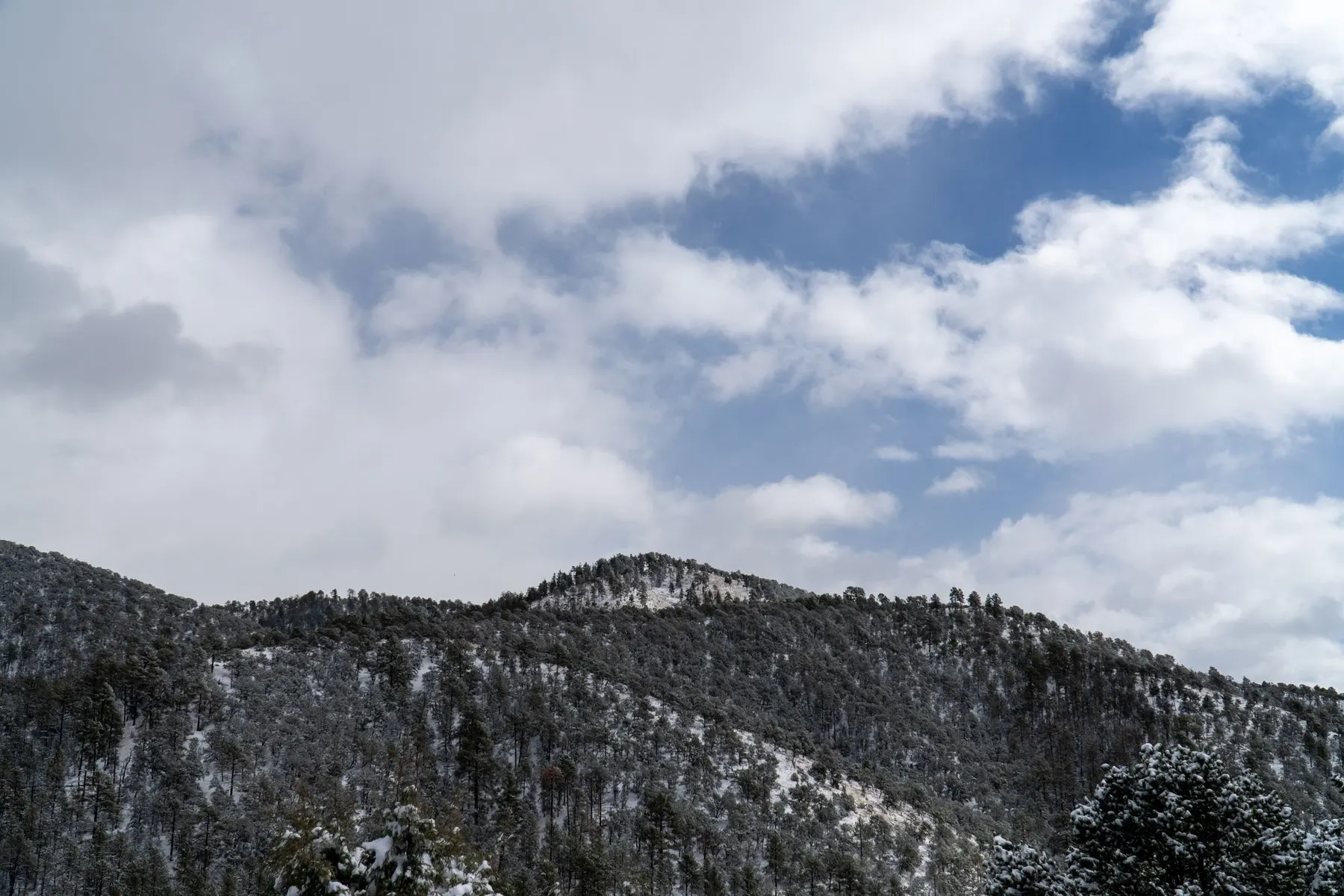
Seven thousand feet, three hundred days of sun, four real seasons, and winter snow that is gone by lunchtime. Summer afternoons bring monsoon rain that smells of sage.
The neighborhoods.
Ask ten locals for the best neighborhoods in Santa Fe and you will get ten answers, because the Historic Eastside and Las Campanas are twenty minutes apart and nothing alike. If you are moving to Santa Fe, start here: what each part of town is like, who it suits, and what you will find for sale.
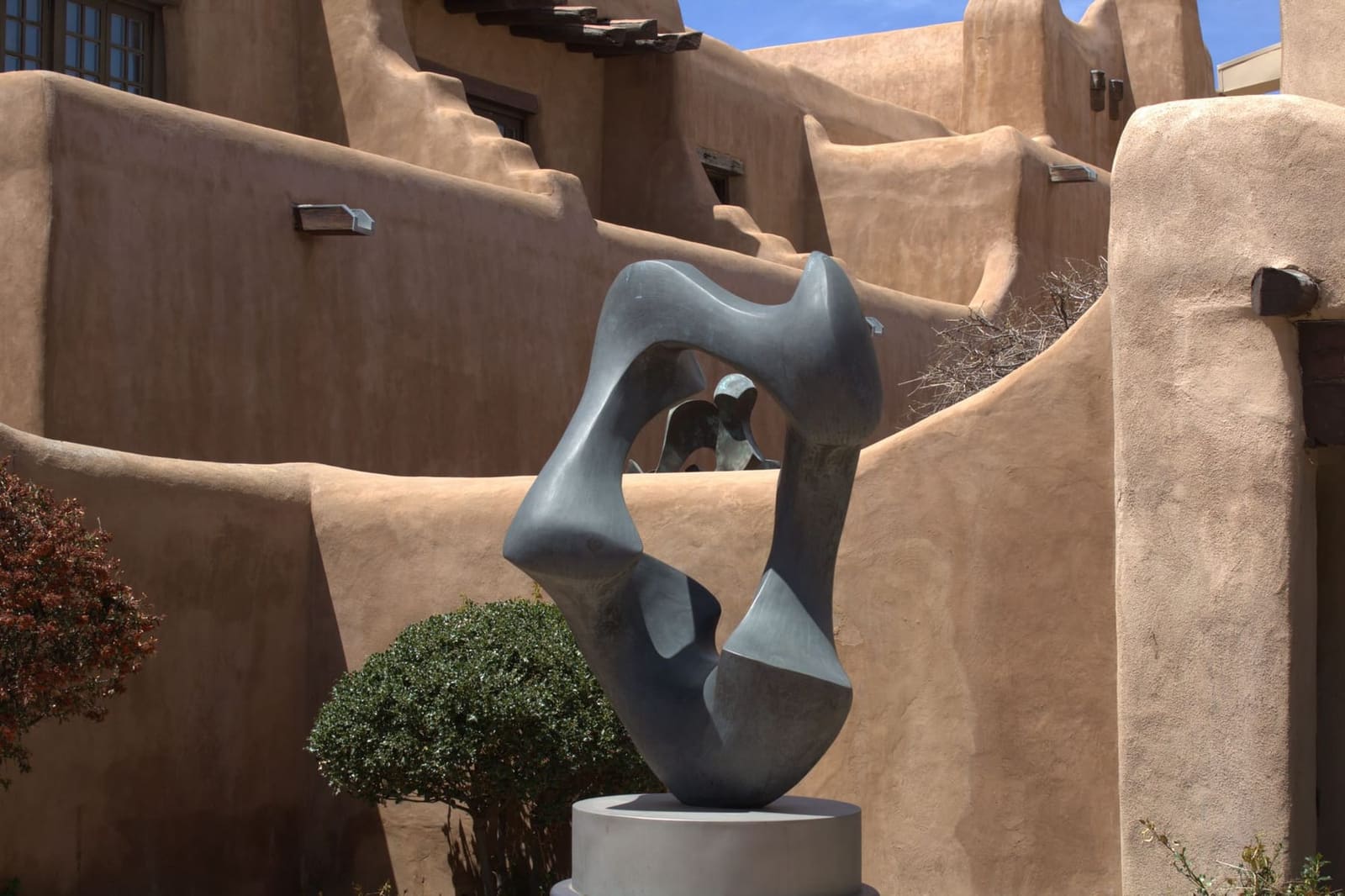 Historic Eastside Adobe walls, old acequias, and a walk to the Plaza.
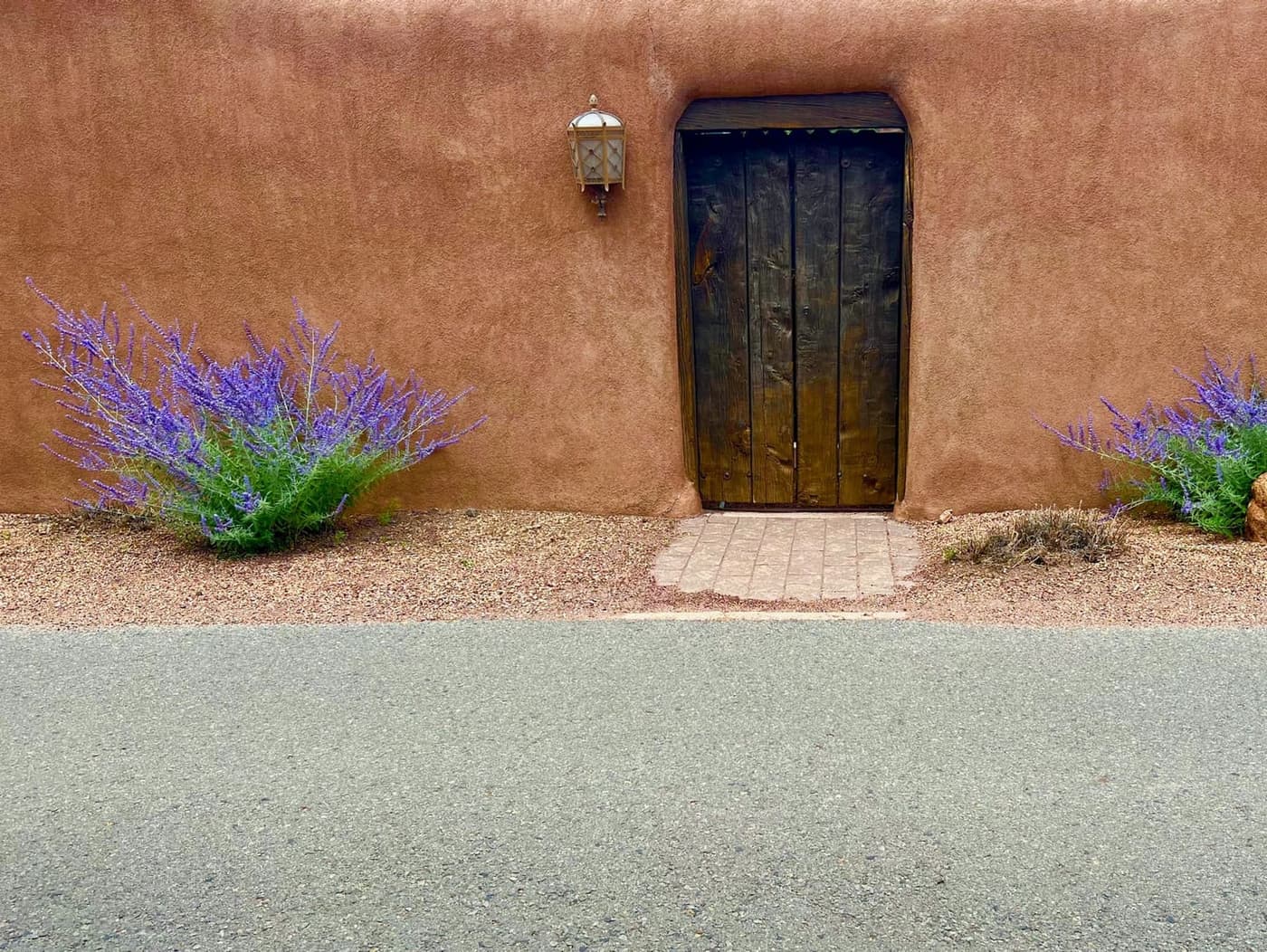 Canyon Road Half a mile of galleries, and the homes tucked behind them. Downtown & the Plaza Four hundred years of city life, and a front-row seat.
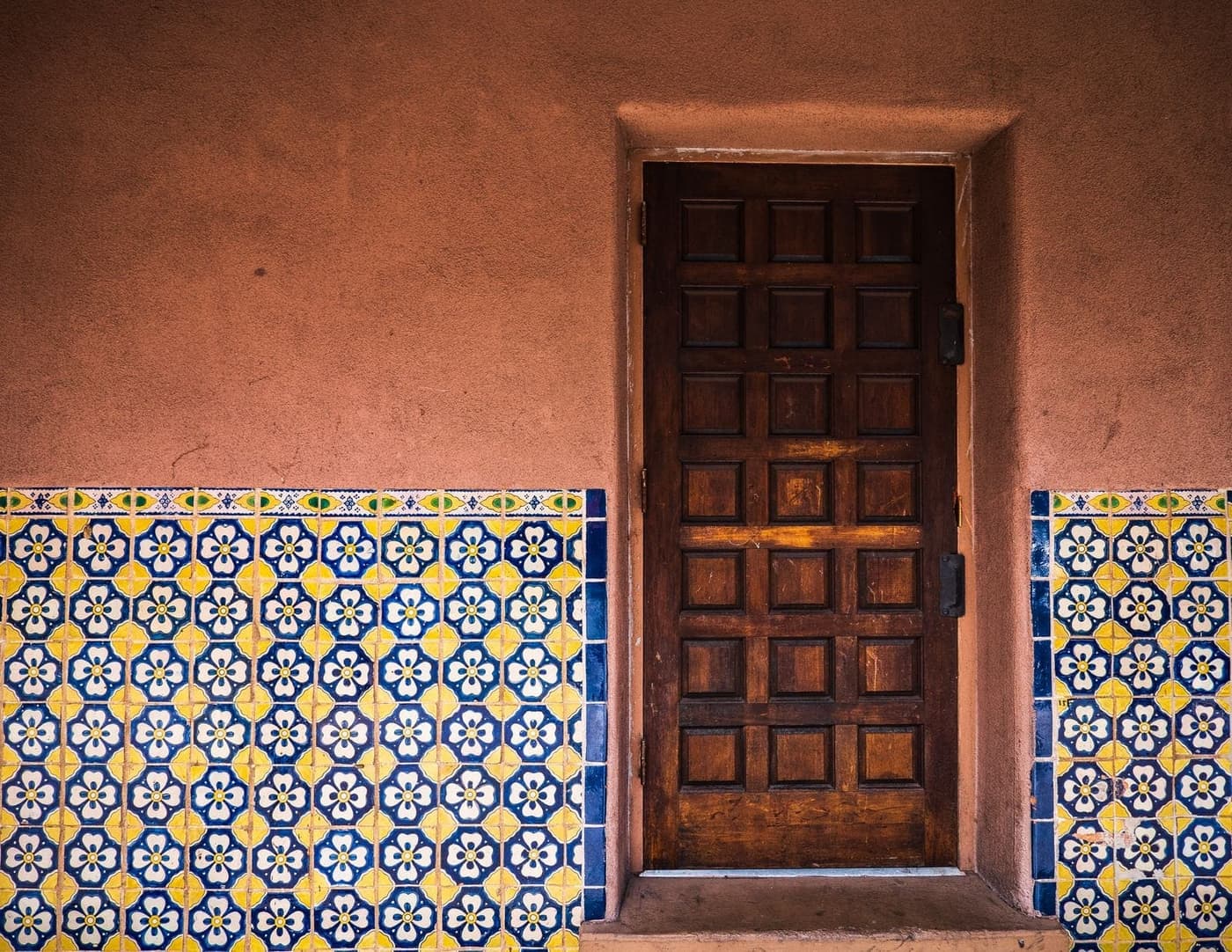 South Capitol Tree-lined streets, bungalows, and the Roundhouse around the corner.
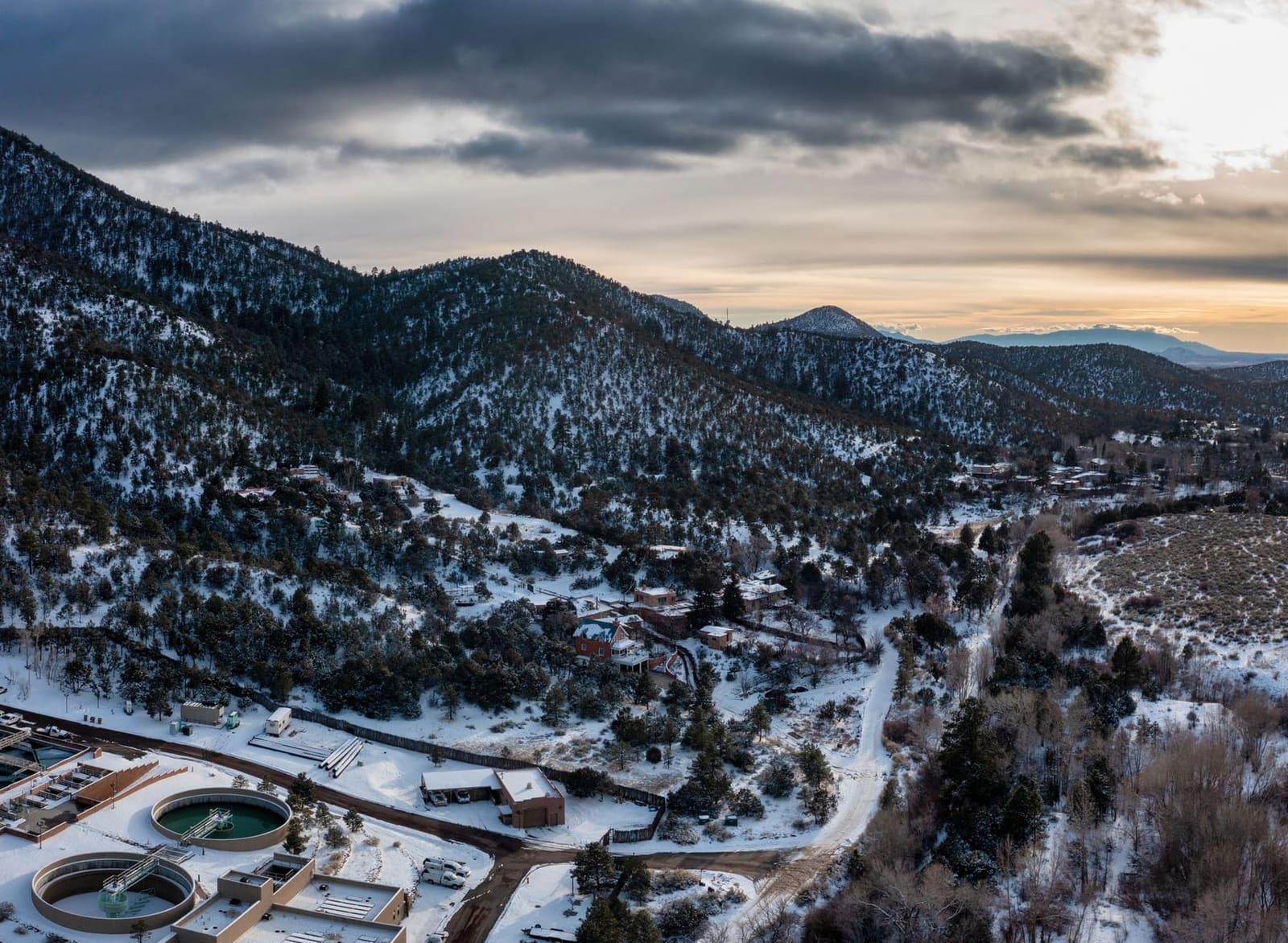 Museum Hill & the South-East Foothills Big views, piñon hills, and four museums up the road.
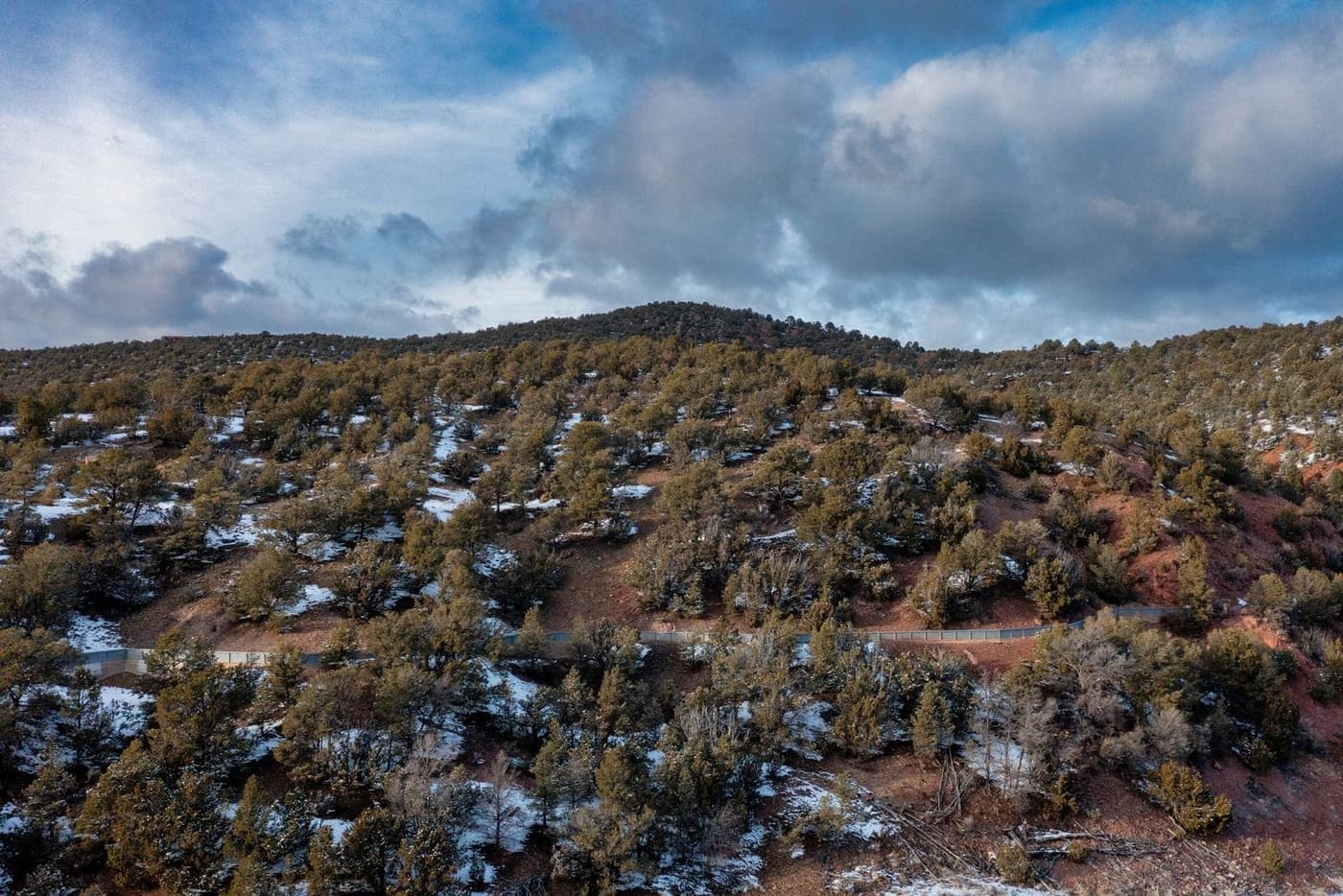 Northside & Bishop’s Lodge Road Old Taos Highway, Hyde Park Road, and the road to the ski basin.
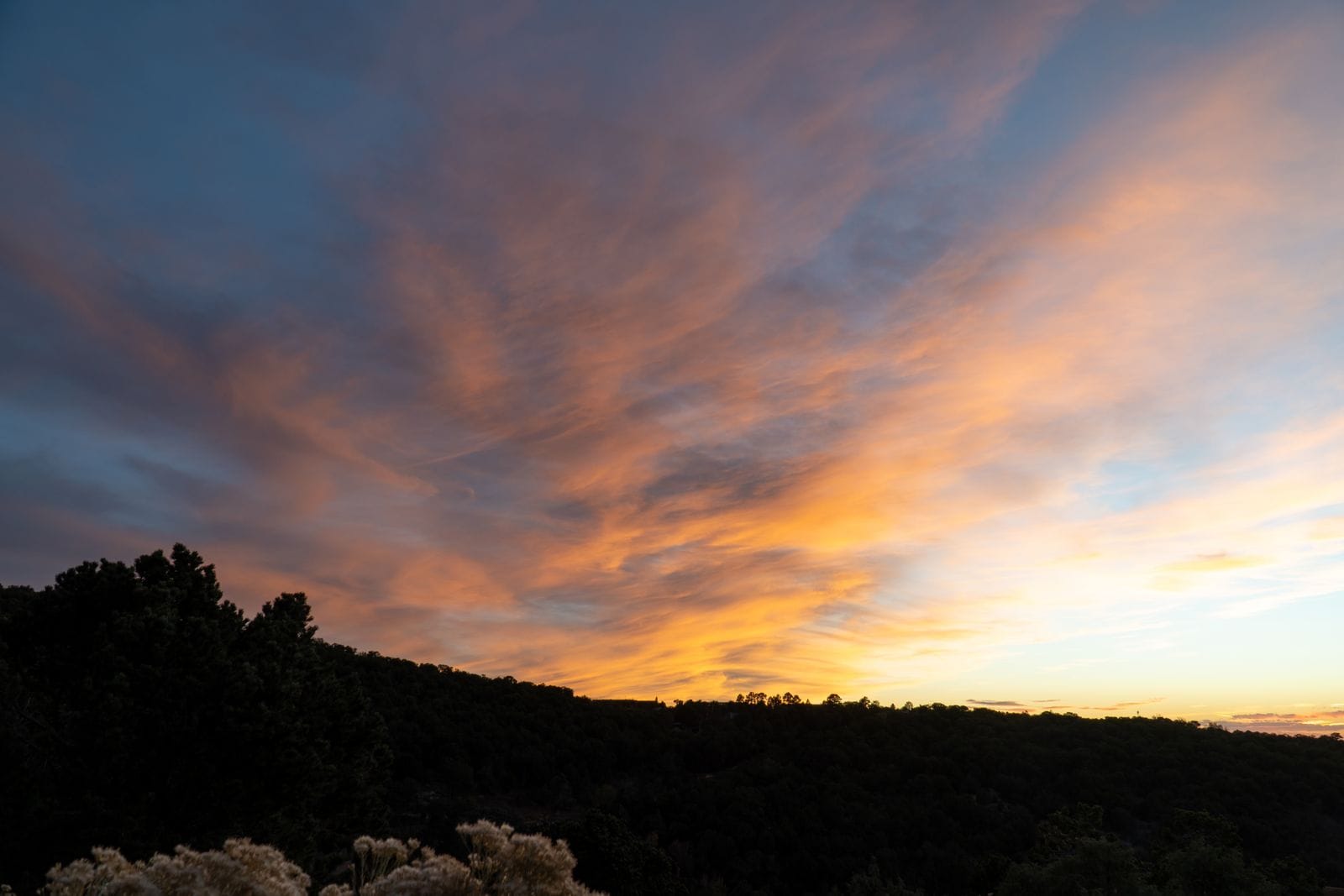 Las Campanas Two Jack Nicklaus courses, an equestrian center, and mountain views in every direction. La Tierra & Tano Road Rolling piñon hills and big-lot privacy ten minutes from town.
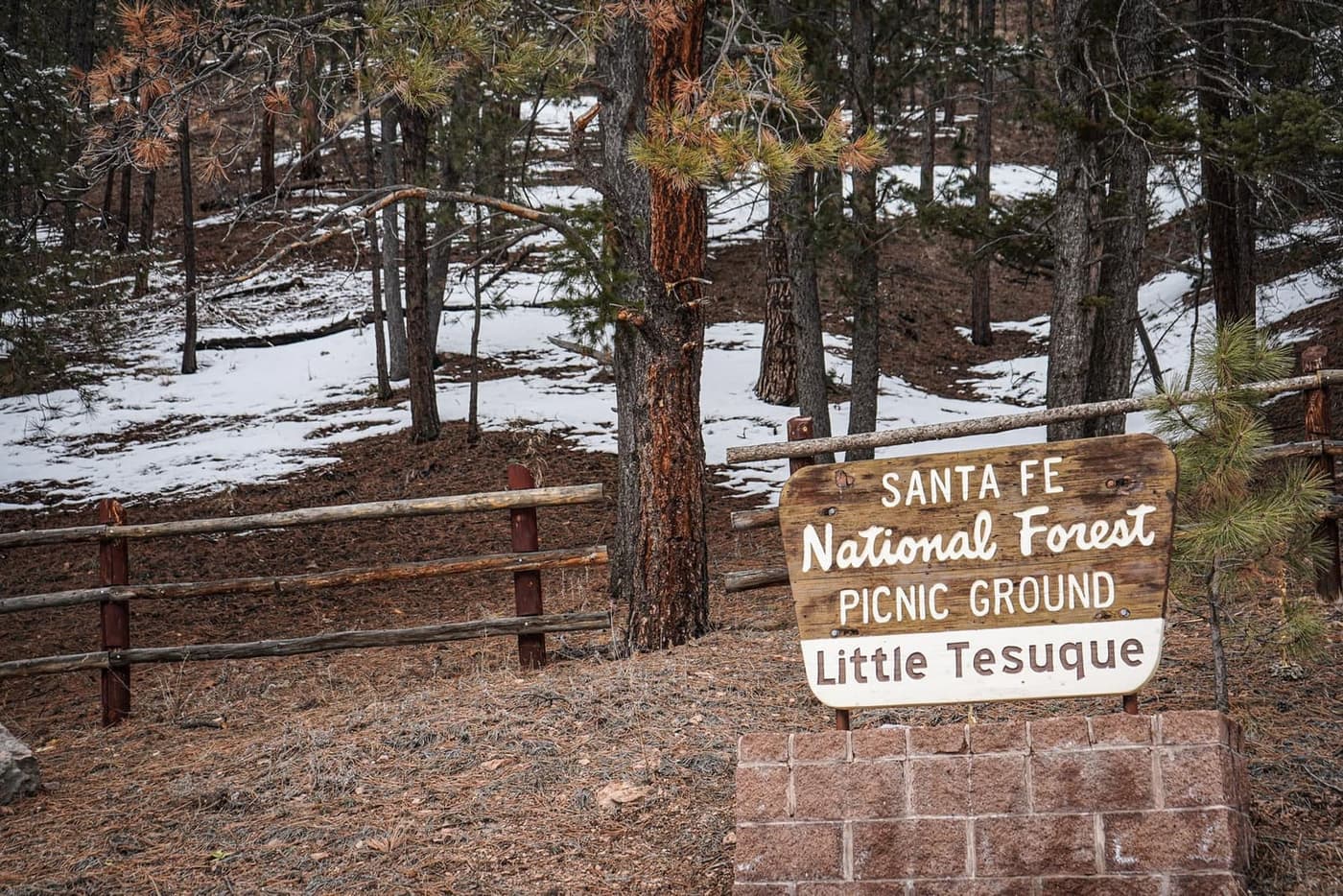 Tesuque A green valley village ten minutes north of the Plaza.
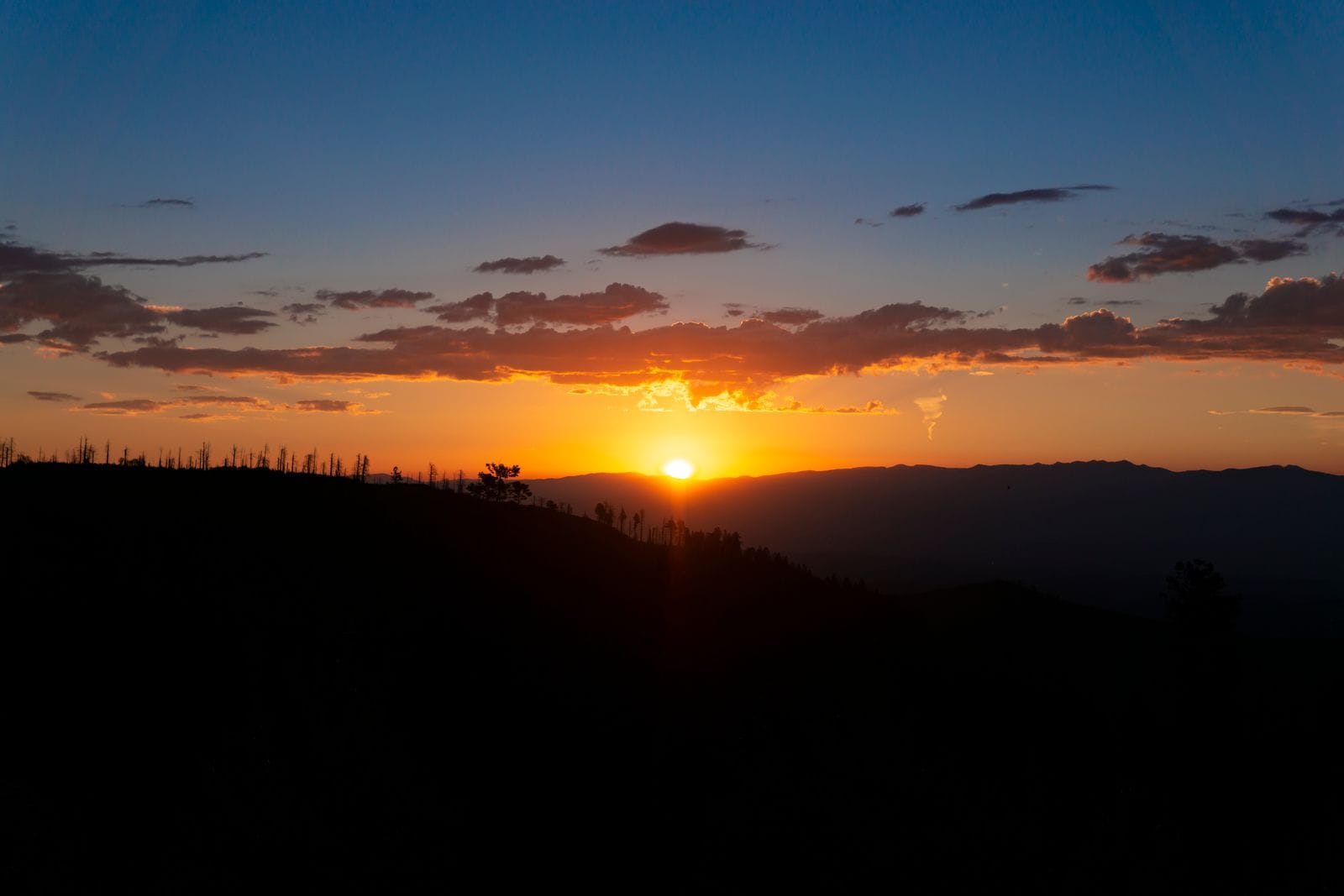 Eldorado Wide lots, dark skies, and the Galisteo Basin at the door.
Outside town.
We work the whole region, not just the city. Pojoaque, Chimayó, Galisteo, Madrid, Pecos, Los Alamos, Taos. All of it is in the same MLS, and we sell in all of it.
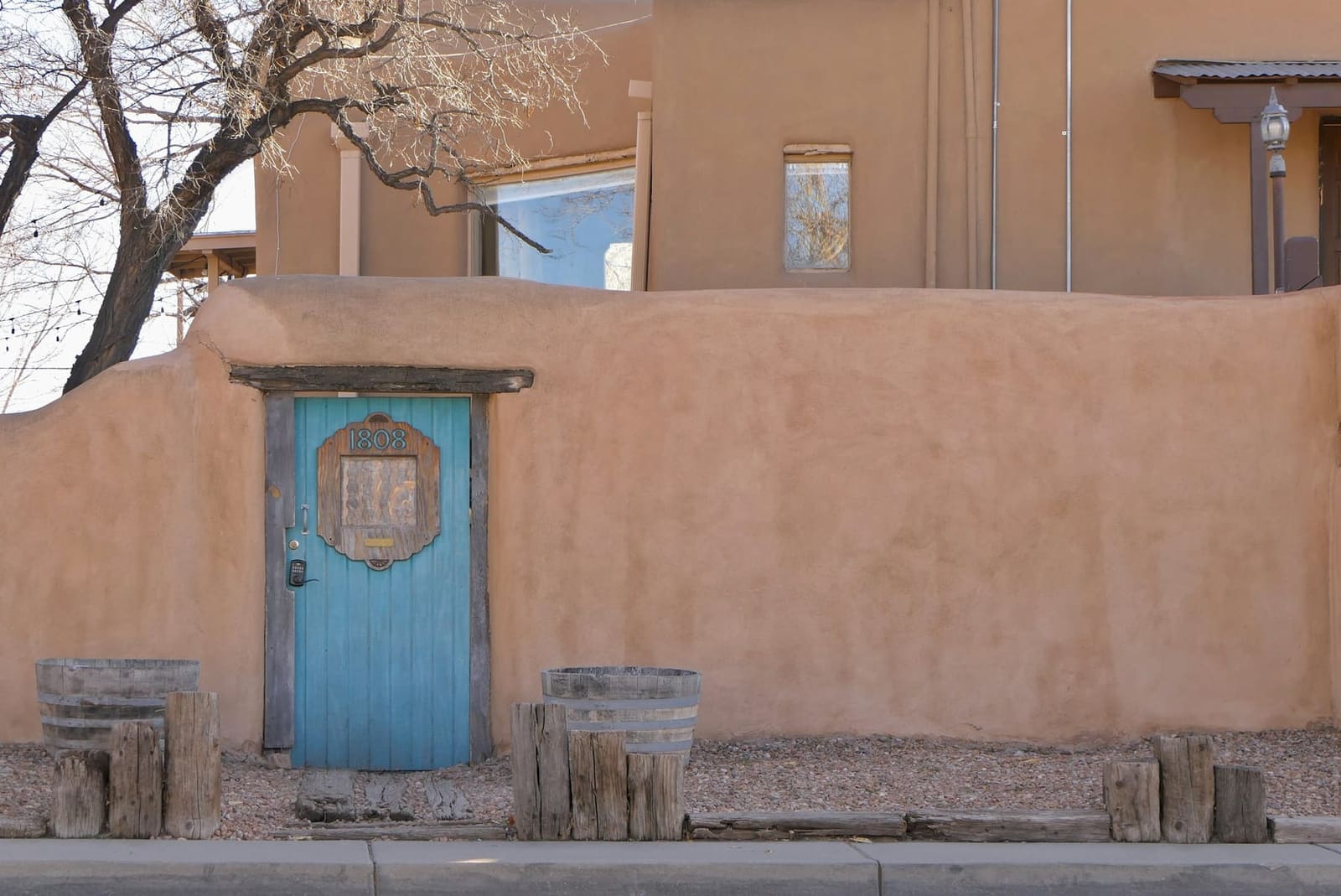 Pojoaque & Nambé The valley villages north of Tesuque, where the orchards begin.
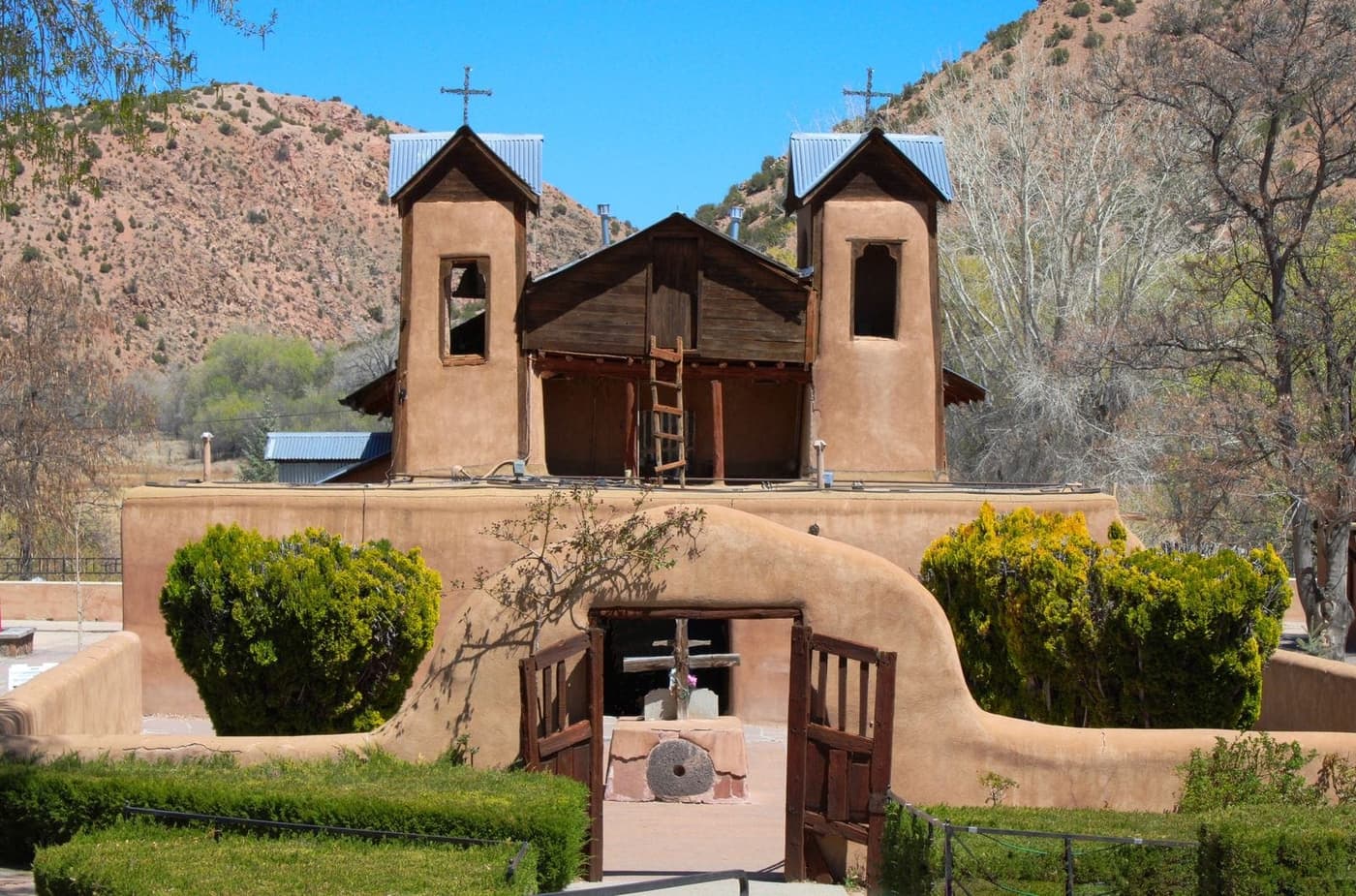 Chimayó & the High Road Weavers, the Santuario, and villages that predate the United States.
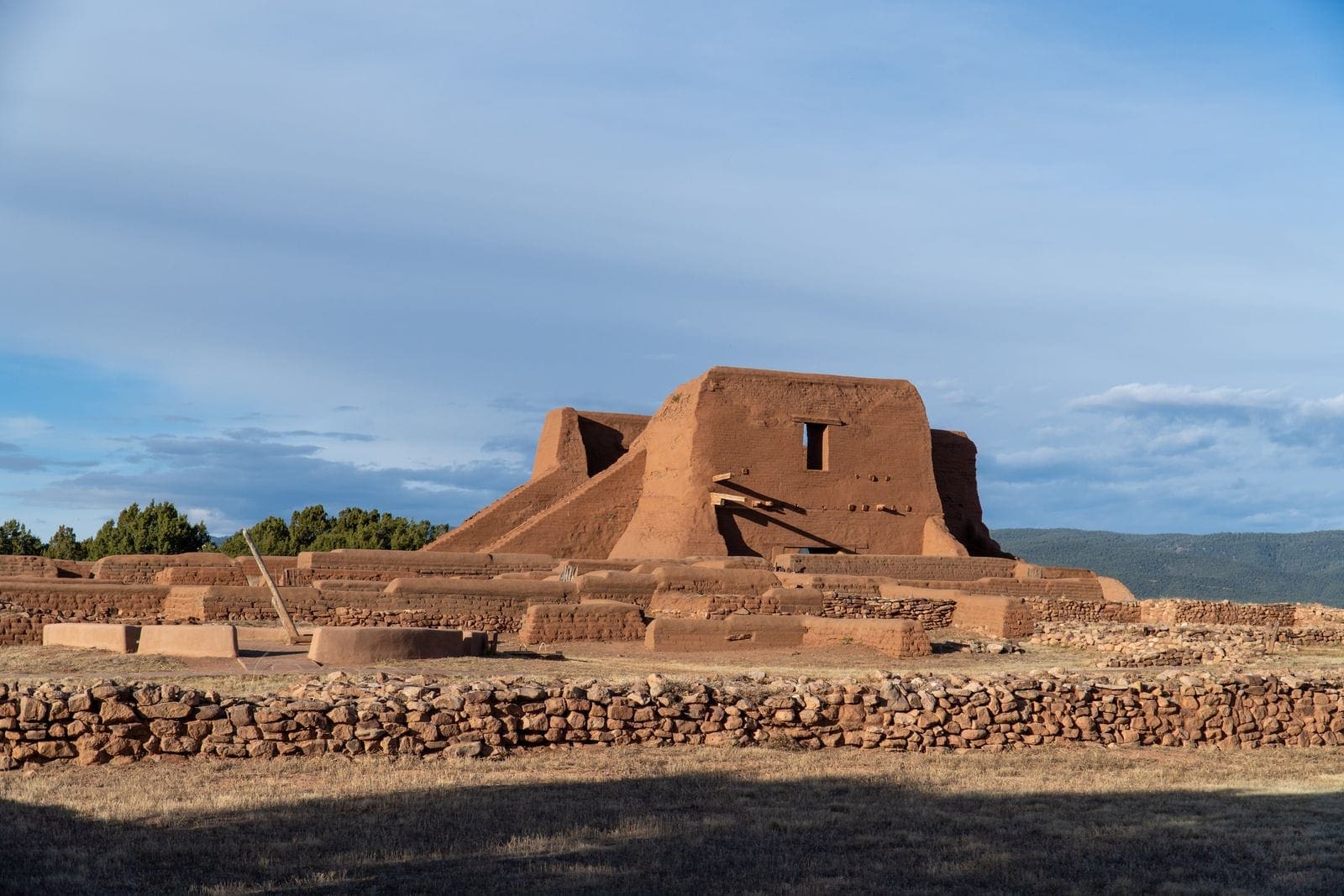 Lamy & Galisteo Ranch country, a historic village, and the Amtrak depot. Cerrillos & Madrid Mining towns turned art villages on the Turquoise Trail. Pecos & Glorieta Ponderosa, the Pecos River, and the Sangre de Cristos from the other side. Los Alamos & White Rock Mesa-top living above the Rio Grande, forty minutes from the Plaza.
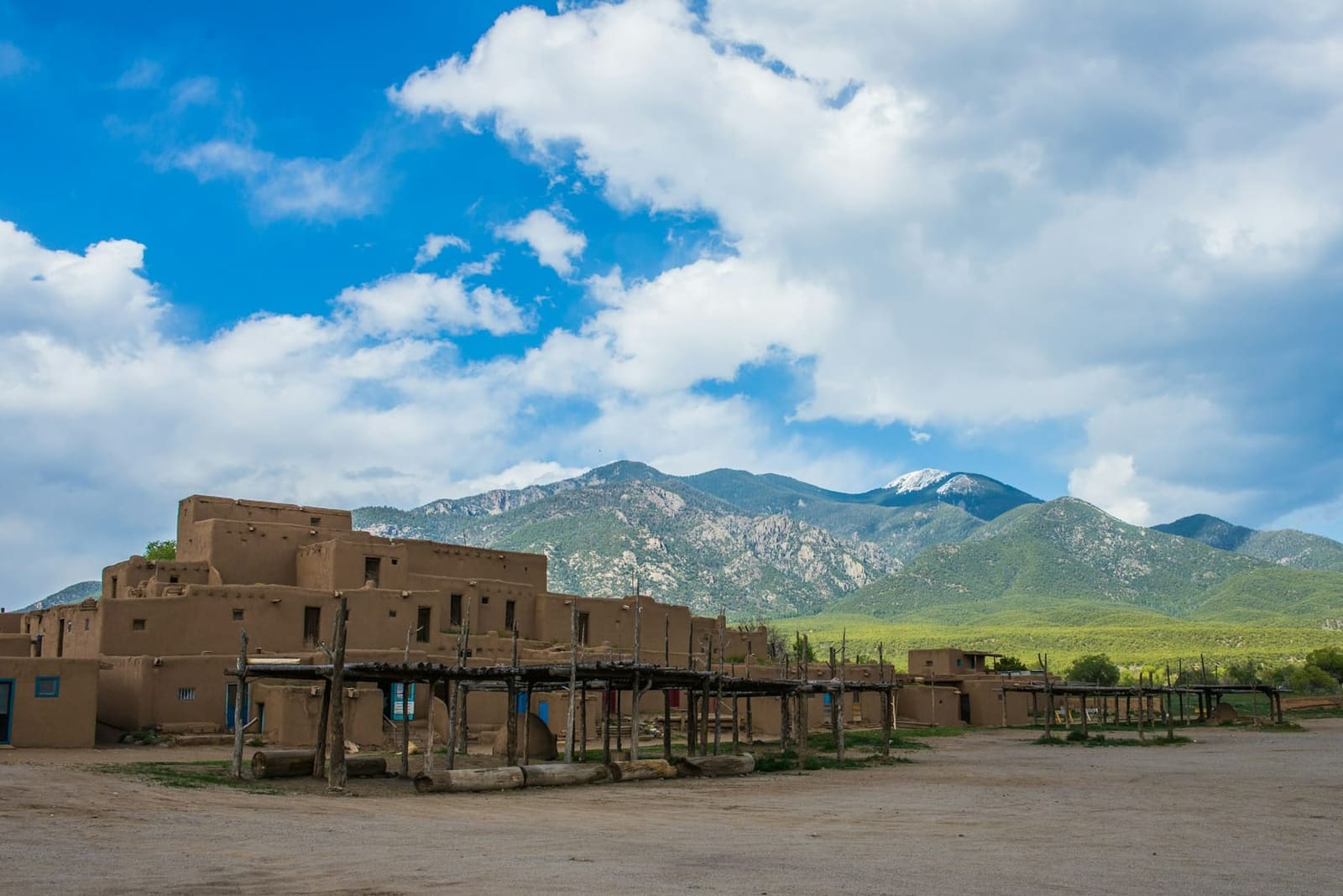 Taos Ninety minutes north, and a world of its own.
The year, month by month.
- January – March
Ski season at Ski Santa Fe. Quiet streets, bright snow, and the best restaurant reservations of the year.
- April – May
Lilacs and fruit blossom. The Farmers Market moves outdoors. Buyers arrive before the summer crowds.
- June – August
Opera season, the International Folk Art Market, Spanish Market, and Indian Market, the largest Native art market in the world. Afternoon monsoons.
- September
Fiesta de Santa Fe and the burning of Zozobra. Aspens turn gold on the ski basin road. Many say it is the best month.
- October – November
Balloon Fiesta in Albuquerque, chile roasting on every corner, and the clearest light of the year.
- December
Farolitos on Canyon Road on Christmas Eve, Las Posadas on the Plaza, and snow on the Sangre de Cristos.
Words you will see in listings.
- Adobe
- Sun-dried mud brick, the original building material. “Real adobe” homes have thick walls that hold heat in winter and cool in summer.
- Viga
- The round ceiling beam, usually ponderosa, that carries the roof. Often paired with latillas, the small poles laid across them.
- Kiva fireplace
- The rounded corner fireplace found in most Santa Fe homes, descended from Pueblo and Spanish forms.
- Portal
- A covered porch supported by posts and corbels. Outdoor living in a climate with 300 days of sun.
- Canale
- The roof drain that spouts water off a flat roof. Watch where they point when you buy.
- Territorial style
- The 1850s–1900s blend of adobe walls with brick coping, white-painted wood trim, and Greek Revival details.
- Acequia
- The community irrigation ditch, governed by a mayordomo. Water rights tied to an acequia transfer with the land and are valuable.
- Nicho and banco
- The wall niche for a santo, and the built-in adobe bench. Both show up in the best old houses.
Things buyers ask us.
Getting here
Santa Fe Regional Airport has direct flights to Dallas, Denver, Phoenix, and Houston. Albuquerque Sunport is an hour south, with the Rail Runner train as an alternative. Denver is a six-hour drive; Phoenix seven.
City or county
Addresses inside city limits have city water, sewer, and higher property tax. Much of the north side, Las Campanas, Tesuque, and Eldorado are Santa Fe County, with wells, septic, and lower rates. We confirm for every property.
Water
The first question on any county property. Well depth and yield, water rights, and acequia access all affect value. We work with water attorneys when it matters.
Historic review
The downtown and Eastside historic districts review exterior changes. It keeps the city looking like itself, and it means remodels take planning.
Altitude
At 7,000 feet, newcomers notice the sun and the dry air first. Most adjust within days. Passive solar homes and thick adobe walls were built for this climate.
Short-term rentals
The city permits and caps short-term rentals. Many condo associations and HOAs restrict them further. Ask before you plan on rental income.
Notes from Santa Fe.
Why fall is a good time to buy a home in Santa Fe
Fewer buyers, sellers who want to close before winter, the clearest weather of the year, and an honest read on how a house holds heat. Why fall favors buyers.
Remodeling that adds value to a Santa Fe home
Which projects Santa Fe buyers pay for (roof, stucco, kitchen, outdoor rooms) and which they don't, plus what the historic district allows.
Why work with a small Santa Fe brokerage
What you get from a three-broker firm run by Santa Fe natives: one broker start to finish, honest pricing, and decades of local sales and rentals.
Thinking about moving here?
Call us. We will tell you which neighborhoods fit what you want and what things really cost.